When the Bars Disappear: The Ham Radio Operators Who Became Rural America's Backup Internet
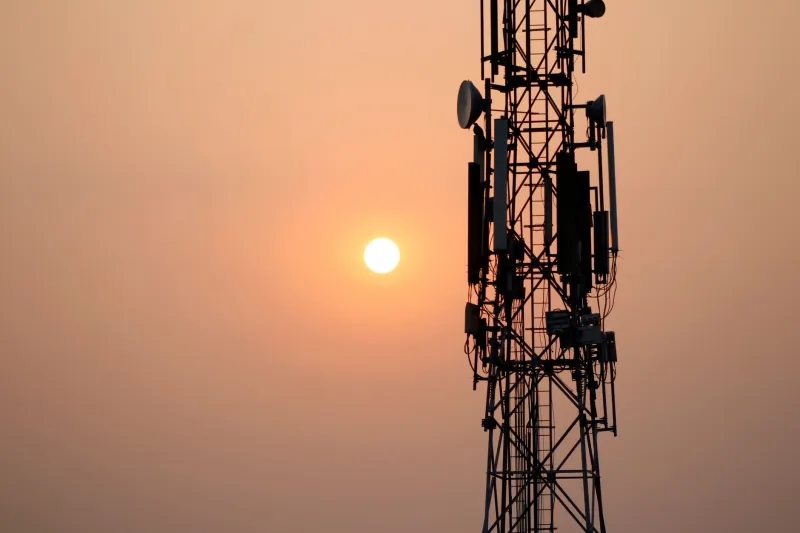
When the fiber line got chewed through by a fallen tree in rural Oregon's Klamath County last winter, most residents had two options: wait three days for the ISP's contractor, or walk to the end of the road where a neighbor's garage roof hosted a small white antenna. That antenna — and the amateur radio operator who maintains it — kept a dozen households online for school, work, and the occasional emergency phone call.
Welcome to the world of volunteer-run connectivity, where the people keeping the internet alive in remote corners of the country often aren't paid at all.
The Part-Time Backbone Nobody Planned
Rural broadband gaps are well documented. What gets less attention is who fills them. In pockets across the country, ham radio operators — folks with callsigns and towers in their backyards — have spent decades building infrastructure that was never supposed to be the main connection, but increasingly functions like one.
These aren't tech billionaires or government contractors. They're retired electricians, schoolteachers, farmers, and IT folks with day jobs. They run mesh networks, point-to-point radio links, and shared backhaul on a shoestring budget, mostly out of a stubborn belief that people shouldn't be cut off from the world just because they live past the last mile of cable.
Three Networks Worth Knowing
NYCMesh — New York City. Yes, it's urban, but it's the blueprint. This volunteer-run community mesh network has installed hundreds of rooftop nodes across all five boroughs, linking apartments and businesses with freely licensed equipment. Nobody pays for transit; volunteers install and maintain it. It proves the model works — and rural groups keep borrowing from its playbook.
Althea Networks — Rural Minnesota and beyond. Althea is a protocol and business model where neighbors run relay nodes and get paid small amounts for the bandwidth they pass along. In parts of rural Minnesota, that's meant a farmer with a tower on his silo effectively becomes a micro-ISP, selling a few gigabytes to nearby farms. It's volunteer spirit with a billing system bolted on.
PantherNet — Central Pennsylvania. A community network stitched together by local volunteers using wireless links across ridgelines where DSL crawls and cable never showed up. It started because a handful of residents were tired of satellite latency and dial-up-era speeds. It runs today because those same residents climb the towers when something breaks.
Each of these networks has a different structure, but the pattern is the same: local people, donated labor, cheap hardware, and a healthy distrust of waiting on hold.
When Ham Radio Becomes the Safety Net
Amateur radio's role here isn't incidental. Ham operators already maintain the skills, licenses, and equipment for long-distance, infrastructure-free communication. When hurricanes knock out cell towers — as happened repeatedly in Florida and the Carolinas — it's often ham operators relaying messages until commercial service returns.
Some communities have formalized this. Emergency management agencies in several states now coordinate with local amateur radio clubs as part of their disaster plans, treating volunteer-operated links as official backup infrastructure. In effect, the same person who runs your neighbor's mesh node might also be the one relaying a welfare check during the next hurricane.
Can Patchwork Scale?
Here's the uncomfortable question: should we expect volunteers to do this work at all?
There's a real tension. On one hand, community networks fill genuine gaps and often deliver better service than the local incumbent. On the other, they can become an excuse — a way for policymakers and providers to shrug and say, "well, someone's handling it."
The volunteers themselves tend to be pragmatic. They're not trying to replace Comcast or AT&T nationally. They want reliable connections for their neighbors, and they'd rather build than lobby. But scaling depends on a few things:
- Spectrum access. Volunteer networks rely on unlicensed and lightly licensed spectrum. Policy decisions here matter enormously.
- Funding without strings. Programs like USDA rural broadband grants are designed for big carriers, not for a guy with a tower and a spreadsheet.
- Legal clarity. Right-of-way rules, pole attachment fees, and local franchising can make a volunteer network's life miserable.
The Realistic Future
The most likely outcome isn't volunteers replacing ISPs everywhere. It's a hybrid: commercial providers handling the heavy lifting in populated areas, with community networks and ham-backed emergency links filling the cracks — and being taken seriously by the agencies that plan for the worst.
For now, the part-time backbone keeps humming. If you live in a rural area and your connection blips during the next storm, there's a decent chance someone with a callsign is already on the roof fixing it.
And if that sounds like your kind of weekend project, your local amateur radio club is probably meeting next Tuesday. They always need another pair of hands.