Rack, Rack, Who's There? The Great Home Lab Debate Splitting America's IT Hobbyists
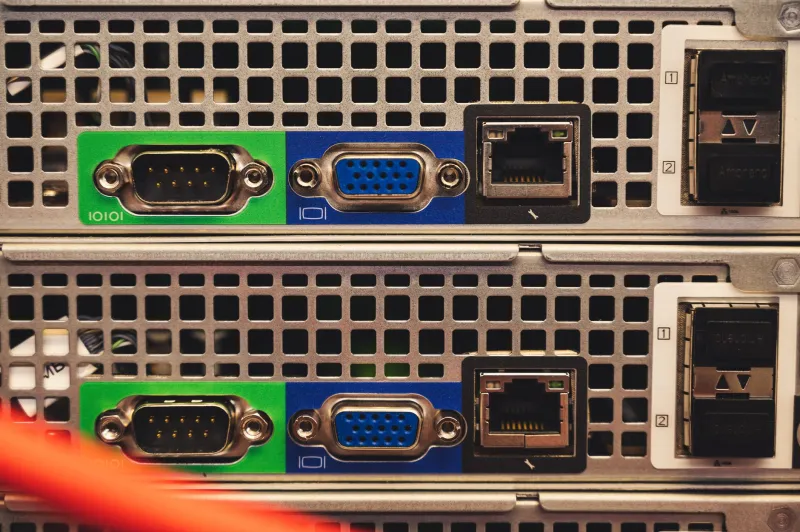
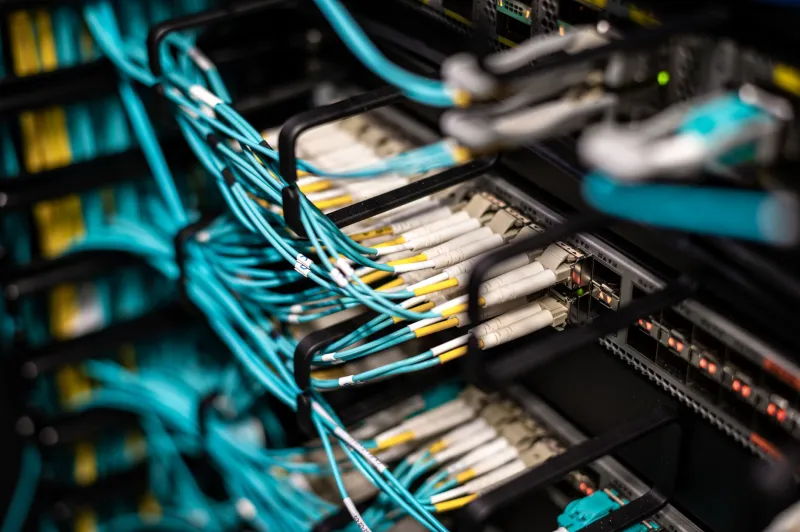
There's a fault line running through r/homelab, Discords, and local Linux user groups across the country, and it's getting wider by the month. On one side: the cloud converts, folks who sold their rack-mounted servers on Facebook Marketplace and now spin up virtual labs in AWS with a credit card and a YAML file. On the other: the holdouts, the ones with a 42U rack in the garage humming along at 3 a.m. like a refrigerator with opinions.
Both camps think the other one is doing it wrong. Both have a point.
The Case for Packing It In
Ask anyone who's downsized, and the answer usually comes down to the power bill. A stack of used Dell PowerEdges pulls serious wattage, and in states like California where electricity can run north of 30 cents per kilowatt-hour, that hobby starts charging you rent. Add the noise, the heat, and the fact that a failed used drive means a weekend of rebuilding arrays, and the cloud math starts looking pretty friendly.
"I did the actual spreadsheet," says Marcus, a sysadmin in Ohio who asked we use only his first name. "Between electricity, hardware refreshes, and my time, my lab cost me about $90 a month. My cloud sandbox costs $22. I still get to break things and rebuild them. I just don't have to hear them."
For people studying for certifications—CCNA, CompTIA, the whole alphabet soup—cloud-based virtual labs offer something physical gear can't easily match: snapshots. Botch a BGP configuration? Roll back in seconds. Botch it on a physical switch, and you're walking over to the console cable.
The Refuseniks Aren't Budging
Then there's the other side of the debate, and they are not quiet about it.
"If it's in someone else's datacenter, it's not a home lab. It's a subscription," says Dana, a network engineer in Texas who runs a three-node Proxmox cluster out of her closet. Her argument, and it's one you'll hear repeated in forums from coast to coast, is that the struggles are the curriculum. Fighting with a flaky NIC, racking gear, running cable through the attic—none of that happens in a cloud console, and all of it teaches you something.
There's also the skills argument, and it's not nothing. Plenty of hiring managers for on-prem roles, especially in healthcare, manufacturing, and government, still want people who've physically touched the infrastructure they're claiming on a résumé. The cloud teaches abstraction. The rack teaches reality. The best engineers, most people in the community agree, eventually learn both.
What the Migration Actually Means
Here's the nuance the loudest forum arguments miss: this probably isn't a death, it's a split. The cloud didn't kill the home lab—it killed the requirement for one. People who just wanted to learn Docker or run a media server no longer need to buy used enterprise gear at all. The people remaining in the physical lab scene are, if anything, more serious about it.
That's a healthy shakeout, even if it feels like a loss. The garage datacenter was always part hobby, part identity. Now it's a deliberate choice rather than the default entry point, and the community seems stronger for the honesty.
Where do you land? If you're paying the power company to heat your house with servers, you know the trade you made. If you're renting your lab by the hour, just know the holdouts are right about one thing: nothing teaches you respect for uptime like being the one who has to walk over and reboot the thing yourself.