Breaking Up With the Rental Box: Inside America's Quiet Router Rebellion
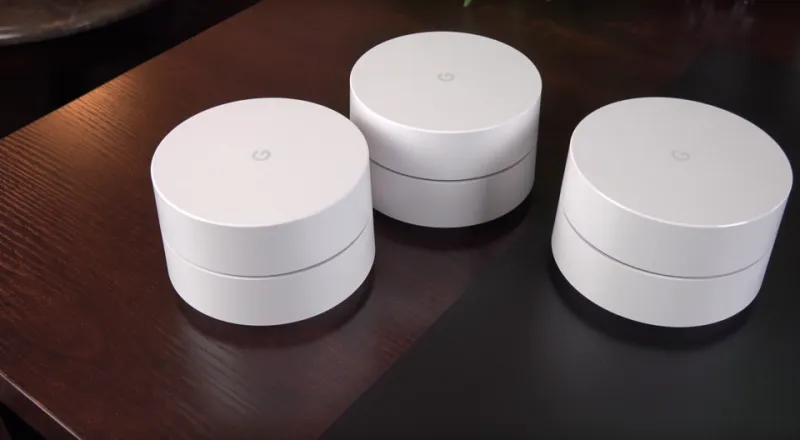
Photo: https://homethods.com/, CC BY 2.0, via Wikimedia Commons
Somewhere between the third buffering wheel of the night and the line item on the bill that just said 'Equipment Fee: $15.00,' a lot of American households hit a breaking point. Not with their internet provider exactly — with the box.
The plastic rental router that lives in the corner of the living room has become one of the most quietly resented objects in the American home. And lately, people are doing something about it. Sales of consumer mesh Wi-Fi systems keep climbing, ISP equipment return counters keep getting busier, and a growing number of households are discovering that the gear they own outperforms the gear they rent.
This isn't a niche hobbyist thing anymore. It's a mass migration, and it's worth understanding why.
The Fee That Started It All
Ask anyone who made the switch what pushed them over the edge, and the answer is almost always the same: the monthly rental charge.
It sounds small. Ten to fifteen bucks a month feels like pocket change next to a $80 internet bill. But run the math and it stops feeling small fast. At $12 a month, you're paying $144 a year. Over a standard five-year stretch, that's $720 — for hardware that remains the provider's property the entire time, that you have to give back if you ever cancel, and that you have zero control over.
Here's a rough five-year comparison for a typical suburban household:
- Renting the ISP gateway: ~$720 over five years, plus whatever speed ceiling the box imposes
- Buying a mid-range mesh system: $200–$400 up front, $0 after that, full control of your network
- Buying a higher-end system: $400–$600 up front, still cheaper than renting by year three
Even the cheapest mesh kit usually pays for itself inside two years. After that, you're playing with house money — and getting better coverage while you're at it.
What People Gain When They Own the Gear
The money is the hook, but it's not why people stay converted. Talk to households that ditched the rental box and the stories sound remarkably similar.
Take the pattern we heard from a family in Ohio who swapped their provider's gateway for a three-node mesh setup: dead zones vanished. The basement office that used to drop video calls now holds a steady connection. The backyard got usable Wi-Fi. The provider's box, they said, was fighting the layout of their house. The mesh system was designed for it.
There's also the control factor. Owning your own equipment means you pick your network name, run your own firmware updates on your schedule, set up guest networks the way you want, and — for the home lab crowd reading this — actually see what's happening on your network instead of staring at a single blinking light and guessing.
And there's a quieter benefit: when your router is yours, your ISP can't push a firmware change or a "feature" onto it overnight. Your network behaves the same way when you wake up as it did when you went to sleep. That's rarer than it should be.
The Fine Print Nobody Reads
Here's the part that surprises people: in most cases, you've been allowed to do this all along.
Since 2020, federal rules have required major US providers to let customers use their own compatible equipment instead of paying rental fees. Yet surveys consistently show a large share of subscribers don't know it. The rental box shows up with the install tech, gets plugged in, and just... stays. Year after year. Fee after fee.
A few things worth checking before you join the migration:
- Compatibility. Most cable ISPs support any DOCSIS 3.1 modem plus your own router. Fiber providers are pickier — some require their optical terminal, but usually still let you attach your own router behind it.
- The return trip. If you cancel service, that rental box goes back or gets billed. Your own gear never does.
- Support games. Some providers get stubborn about troubleshooting third-party routers. It's usually a brief hurdle, not a dealbreaker — but it's worth knowing before the switch.
Is There a Downside?
Honesty requires acknowledging the trade-offs. A mesh system is an upfront hit on the credit card. Setup, while far easier than it used to be, still takes an evening and a phone app. And if you genuinely never think about your network and your rental box works fine, the math is less compelling — you'd be buying capability you may not use.
But for households with dead zones, work-from-home demands, smart-home ambitions, or simply a low tolerance for mystery fees, the case is about as one-sided as consumer tech decisions get.
The Migration Is Just Starting
What makes this shift interesting isn't any single household's upgrade. It's the cultural change underneath it. Americans are increasingly treating their home network the way they treat their car — something worth owning, maintaining, and understanding rather than renting blind.
The rental box had a good run. But the fee is on the bill, the dead zones are in the bedroom, and the alternative is sitting on a shelf at the local big-box store for less than two years of rental charges.
The migration isn't loud. It's just steady — one returned gateway at a time.